
Prediction Markets Won't Scale Without Trust
Insider trading isn't a values question. It's a growth constraint.

I have a stake in the success of these platforms. That’s exactly why I’m writing this.
The prediction market pitch is genuinely compelling: crowds aggregate information, prices reflect reality, and markets are better arbiters of truth than any commentator or expert ever will be. I believe that. What I don’t believe is that the industry can keep sidestepping its most obvious flaw and expect it not to matter.
That flaw is insider trading.
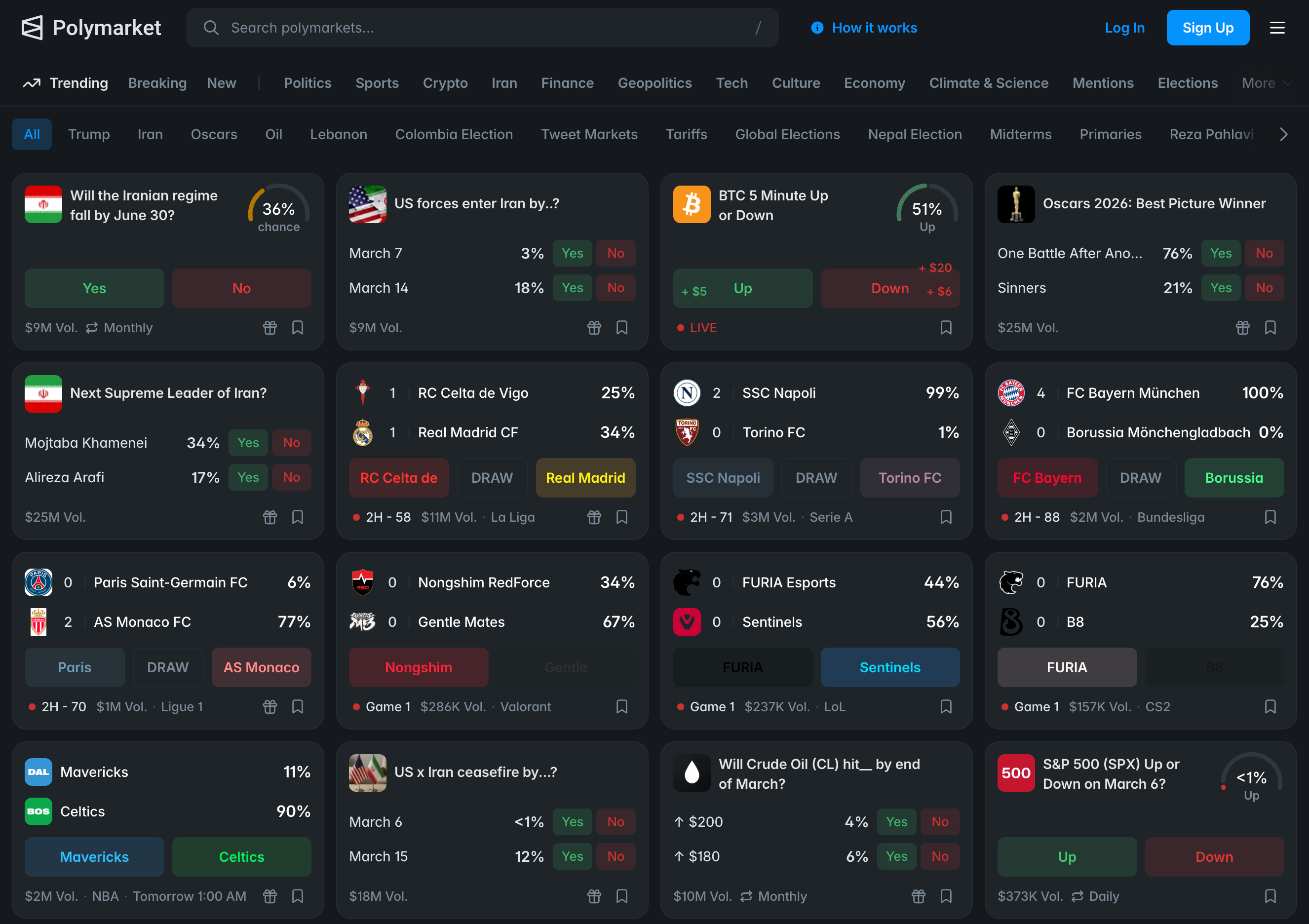
Public equities have more liquidity than any private market by orders of magnitude, and that gap exists for a simple reason: trust. When everyone operates from the same standardized, audited information, however imperfect, participants show up. Retail investors, institutions, pension funds, they trade because they believe the game isn’t fundamentally rigged against them. The disclosures aren’t perfect and the enforcement isn’t airtight, but the intent is legible, and legible intent is enough to sustain confidence.
Prediction markets haven’t made that same commitment. Not yet. Closing that gap is the most important thing this industry can do.
The counterargument deserves a fair hearing. Informed traders push prices toward truth; that’s the mechanism working as designed. It’s a coherent argument, and smart people make it sincerely. But it confuses epistemic value with commercial viability, and those are different things.
A retail participant who suspects they’re trading against someone who already knows the answer doesn’t stop to admire the price discovery. They leave. And when enough of them leave, the prices lose the depth that makes them meaningful in the first place. The academic argument is sound; the product built on top of it is not. You can be right about the theory and wrong about the market.
The cost of inaction is no longer hypothetical. Portugal banned a major prediction platform after millions of euros traded in the narrow window between private exit poll circulation and public results. A new account bet on a foreign leader’s removal hours before a classified military operation, walking away with a twelve-fold return. Two individuals were criminally indicted for using state secrets to time trades around military strikes. Each incident hands regulators a justification and skeptics a headline. The platforms with the most liquidity have the most to lose from each one.
The fix, at its most basic, is not complicated. A single disclosure at trade entry: if you have material non-public information about this event, or the ability to directly influence its outcome, trading is prohibited under our terms. A single line, requiring one acknowledgment, won’t catch everyone. But it creates a paper trail, shifts liability, and does the most important thing of all: it establishes a norm.
Markets have always run on norms as much as rules. The SEC’s insider trading regime has gaps you could drive a truck through, and securities markets function anyway, because the norm is clear enough that most participants internalize it without being forced to. Prediction markets need the same foundation. The hard definitional questions, where exactly the line falls between a well-informed trader and a genuine insider, can be worked out over time, the same way case law always works itself out. But that process must start somewhere, and starting it voluntarily is always better than waiting for a regulator to start it for you.
In a world where every major player eventually launches a prediction market, trust becomes the primary differentiator. Not features, not fees: trust. Institutional capital has fiduciary reasons to care about market integrity. Retail participants need to believe the game is worth playing. The platforms that treat integrity as a product priority, rather than a regulatory eventuality, will build more durable liquidity and capture the participants who simply won’t show up to a market they don’t trust.
Insider trading is a growth constraint. Not a values question, not a philosophical debate, but a constraint on how large and how liquid these markets can become. The platforms that understand this earliest will be the ones that scale.
Agree. Without trust, prediction markets may end up going down the road of memecoin launchpads.
As I wrote a few months back:
"Having seen all these strategies play out over seven years in crypto markets, I’ll say this: it’s certainly not the most ethical path and often short-lived. The nature of gambling is that only a small segment wins, and your business runs only as long as the losers (the 99%) want to play.
The winners will be those who utilize these mechanics but distribute rewards in a way that doesn’t feel rigged.
Maybe Costco has gotten it right all along … the treasure hunt experience without the existential dread of losing your life savings."
prediction markets work until the person on the other side already knows the outcome